
0 items
No products in the cart.
Return to ShopFree samples on every order and
a normal size product as a gift
for purchases over €40!
The Nativity Fast is one of the four Canonical Fasting Seasons in the Church year. This is a joyous fast in anticipation of the Nativity of Christ. During this period, the traditional fasting discipline (no meat or derivatives such as eggs and dairy) is observed, while on certain days, dispensation is given for wine, oil and fish.
Nativity fast is undertaken by many Orthodox Christians who honor the holly traditions, yet there also others who practice fasting, attempting to conform to a healthier lifestyle or do a detox. In any case, a dietary plan based on variety, including more fruits and vegetables, can be of great benefit to healthy adults.
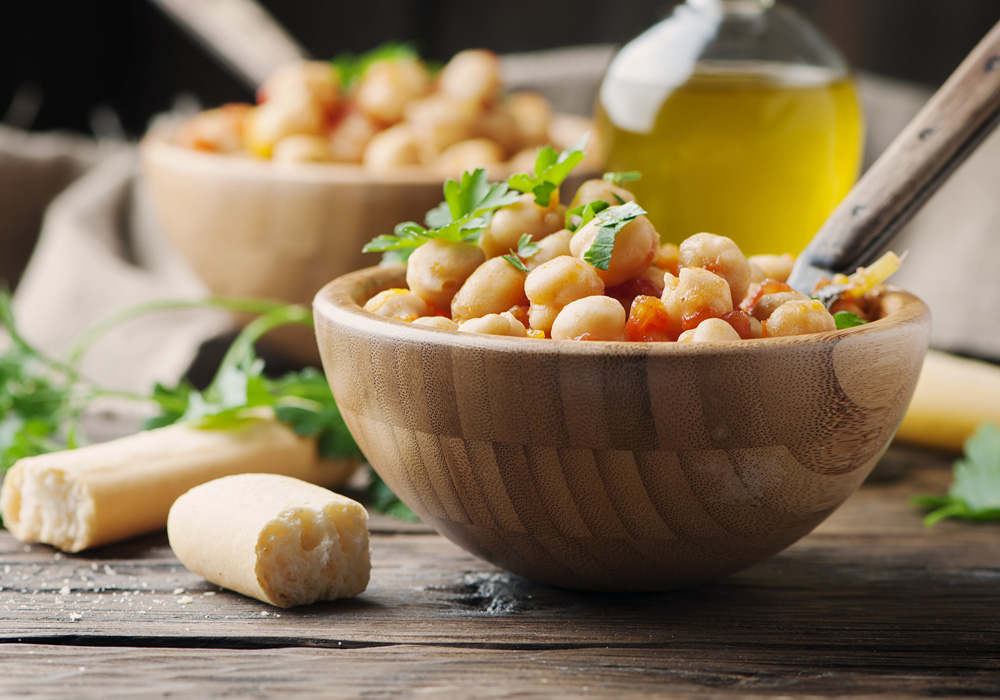
The basic rules of fasting are to some extent reminiscent of the principles of the Mediterranean diet. In particular:
Excluding key food groups (dairy, fish and meat) from a diet increases the likelihood of a reduced intake of certain nutrients, thus adequate planning and incorporation of food alternatives is necessary.
Adequate protein intake is responsible for the normal growth and maintenance of muscle tissue. In addition to meat, the consumption of which is not permitted during fasting, a high biological value protein option is seafood, which also provides significant amounts of iron and vitamin B12. Furthermore, the combination of legumes and rice also creates complete protein. Calcium is essential for strengthening and maintaining bone density. In the absence of dairy products, good sources of calcium are nuts, broccoli, sesame seeds, tahini, soy milk and green leafy vegetables, such as spinach, lettuce and chard. Finally, it is strongly advised to combine sources of iron (e.g., seafood, legumes, nuts, sesame seeds, spinach, etc.) with a parallel intake of vitamin C for better absorption. An easy way to achieve this is to accompany your meals with a glass of fresh orange juice.
It is often observed that people who practice fasting without consulting a nutritionist first, restrict themselves to specific food options and overindulge in carbohydrates or fats, thus failing to receive the necessary nutrients required by the human body. Furthermore, weight gain is another common consequence. Notice the following:
In conclusion, it is important to mention that people with special nutritional needs (e.g., children and adolescents, pregnant and breastfeeding women, athletes, women with a history of osteopenia, osteoporosis or anemia, diabetics or people with gastrointestinal disorders) should consult their doctor before they decide to start fasting.
You must be logged in to post a comment.
" was added to wishlist


